Ultimate IPTV Setup Guide for Beginners
ULTIMATE IPTV SETUP GUIDE FOR BEGINNERS
Ultimate IPTV Setup Guide for Beginners – Learn how to set up IPTV for your home entertainment. This guide covers everything from choosing the right device to installing apps and troubleshooting. In short, this guide explains IPTV setup guide in plain language.
IPTV setup guide: Direct answer
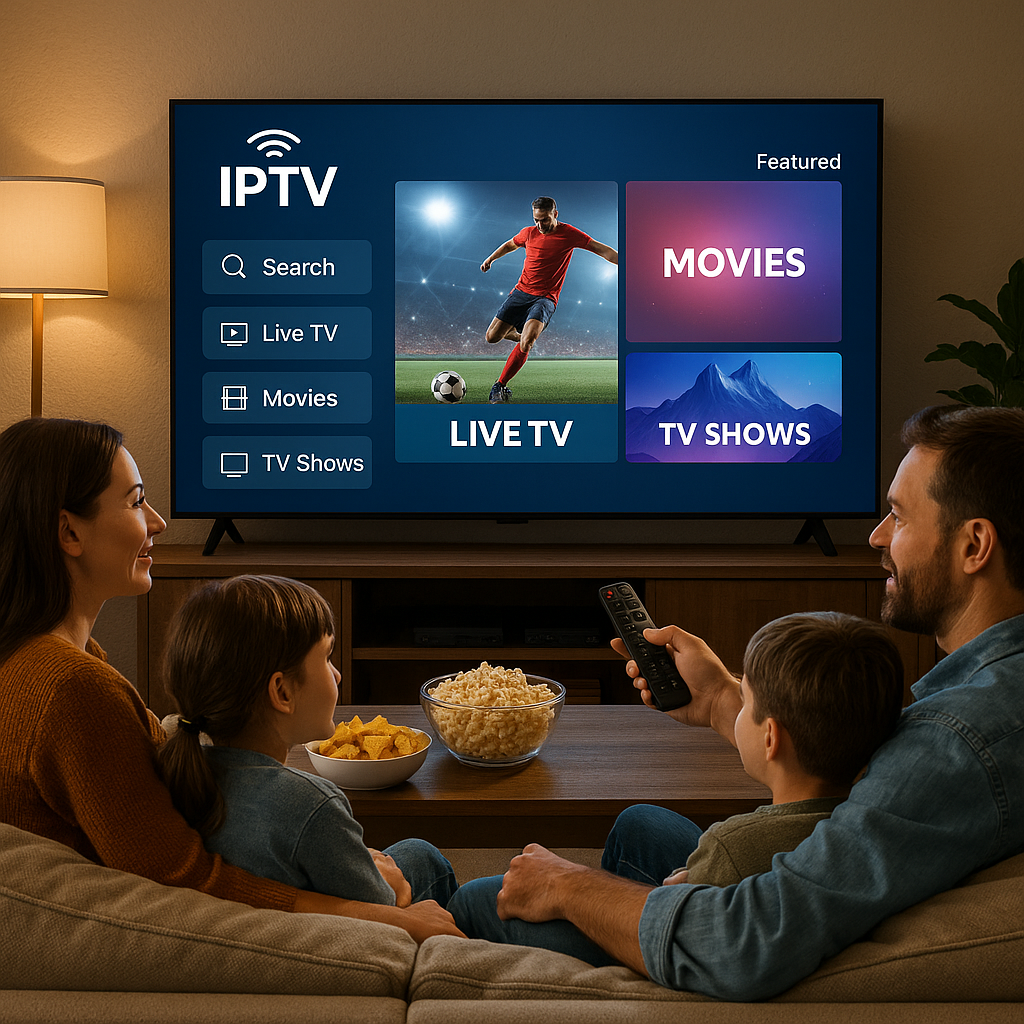
An IPTV setup guide helps users install and configure Internet Protocol Television services. It covers device selection, app installation, and troubleshooting tips for a smooth streaming experience.
IPTV setup guide: Key Takeaways
- IPTV offers a flexible and customizable viewing experience.
- Choosing the right device is crucial for a successful setup.
- Many IPTV apps are available for free or at a low cost.
- Always ensure the legality of the IPTV service you choose.
- Troubleshooting common issues can enhance your viewing experience.
What’s New Today
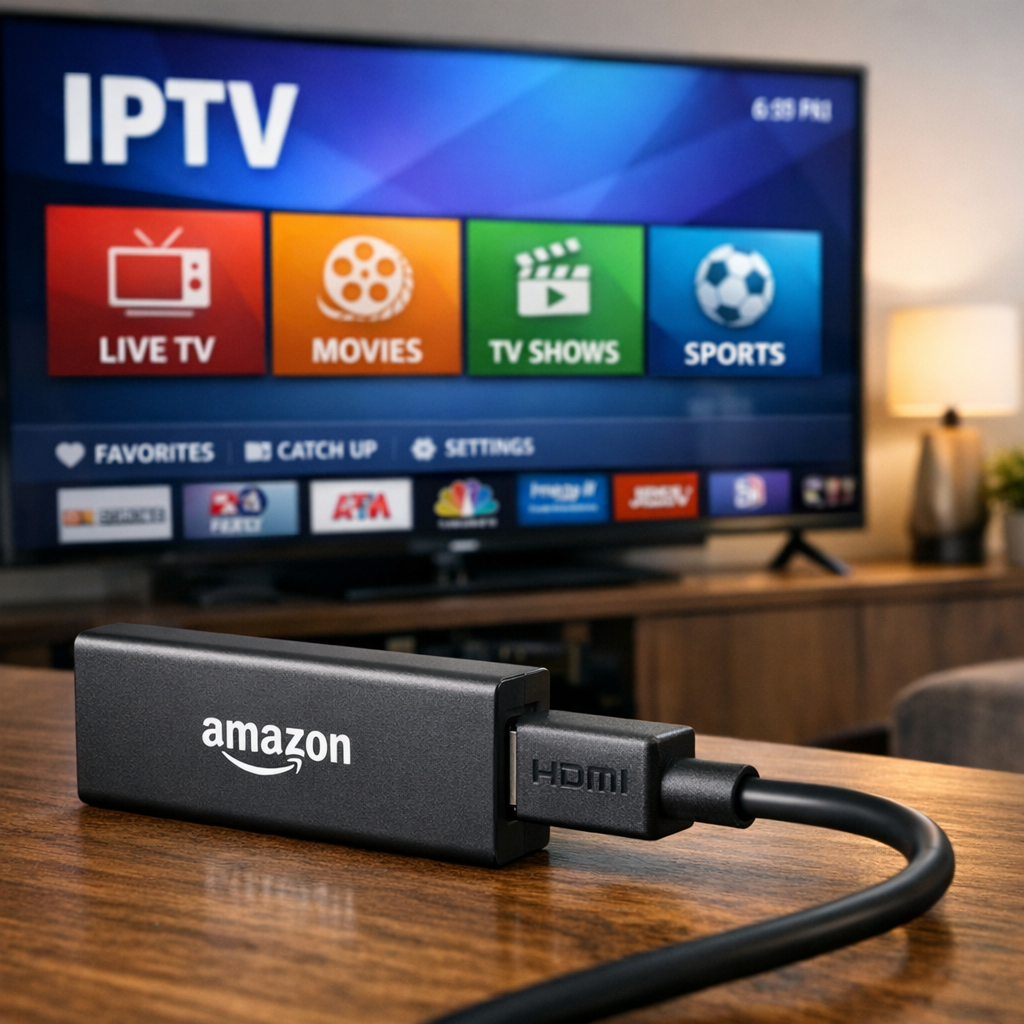
IPTV technology is evolving rapidly. New apps and services are emerging, making it easier for users to access their favorite content. For example, Firestick has become a popular choice for IPTV setups due to its user-friendly interface and wide range of available apps [1]. Additionally, advancements in streaming technology have led to improved video quality and reduced latency, enhancing the overall user experience. As more developers enter the market, users can expect even more innovative features and functionalities in the near future [2].
Overview
Watch on YouTube
An IPTV setup guide provides essential information for anyone looking to stream television over the internet. IPTV stands for Internet Protocol Television, which means it delivers content through your internet connection instead of traditional cable or satellite. This method allows for a more flexible and customizable viewing experience. Users can access live television, on-demand content, and even catch-up TV, making it a versatile option for modern viewers [3].
Key Features
- Access to a wide range of channels and content, including international options.
- Ability to watch on multiple devices, such as smartphones, tablets, and smart TVs.
- Customizable viewing options, including on-demand content and personalized playlists.
- High-definition streaming capabilities, with some services offering 4K content [4].
Pros and Cons
Pros
- Cost-effective compared to traditional cable services, often with lower monthly fees.
- Flexible viewing options and channel selection, allowing users to tailor their subscriptions to their preferences.
- Easy to set up and use with compatible devices, often requiring just a few simple steps.
- Access to a variety of content, including niche channels that may not be available through cable [5].
Cons
- Quality may depend on internet speed, with slower connections leading to buffering and lower resolution.
- Some services may be illegal or unlicensed, posing potential legal risks for users.
- Potential for buffering during peak usage times, especially if multiple users are streaming on the same network.
- Limited customer support for some IPTV services, which can be frustrating for users experiencing issues [6].
Key Insights
According to recent studies, over 80% of households are considering switching to IPTV services due to their flexibility and cost savings [2]. Additionally, many users report satisfaction with the variety of content available through IPTV platforms. A survey indicated that 75% of users prefer IPTV for its on-demand capabilities, allowing them to watch shows and movies at their convenience [7].
Patterns
As more people turn to streaming, IPTV services are becoming increasingly popular. Users are looking for ways to cut costs while still enjoying a wide range of entertainment options. This trend is likely to continue as technology improves, with more households opting for internet-based solutions over traditional cable subscriptions. Furthermore, the rise of smart home devices is facilitating the integration of IPTV into everyday life, making it more accessible than ever [8].
Controversies
One major controversy surrounding IPTV is the legality of certain services. While many IPTV providers offer licensed content, others may not. Users should always verify the legality of the service they choose to avoid potential legal issues. The landscape of IPTV is complex, with ongoing debates about copyright infringement and the responsibilities of service providers [9].
Blind Spots
Many users overlook the importance of internet speed when setting up IPTV. A slow connection can lead to buffering and poor quality. It is recommended to have at least 10 Mbps for smooth streaming, but higher speeds are preferable for multiple users or high-definition content. Additionally, users should consider their router’s capabilities, as older models may not support the bandwidth required for optimal IPTV performance [10].
Opportunities
There is a growing market for legal IPTV services. As more people seek alternatives to traditional cable, businesses have the opportunity to provide high-quality, licensed content to consumers. This shift presents a chance for new entrants in the market to differentiate themselves through unique offerings, such as exclusive content or enhanced user interfaces [11].
Advanced Breakdown
Setting up IPTV involves several steps. First, users must choose a compatible device, such as a smart TV or streaming box. Next, they need to install an IPTV app from the device’s app store. After obtaining a subscription or M3U playlist, users can enter the details into the app and configure settings for optimal streaming quality. It is also advisable to regularly update the app to ensure access to the latest features and improvements [12].
Comparison
Compared to traditional cable services, IPTV offers more flexibility and often lower costs. While cable requires long-term contracts, IPTV services typically operate on a month-to-month basis, allowing users to cancel anytime. This flexibility is particularly appealing to younger audiences who prefer to avoid long-term commitments [13].
What People Are Asking
Many users are curious about the best devices for IPTV. Popular choices include Firestick, Roku, and Android TV boxes. Each device has its own advantages, but Firestick is often favored for its ease of use and app availability. Users frequently ask about the differences between these devices, with many seeking recommendations based on their specific viewing habits and preferences [14].
Popular Searches and Questions
Common searches include “best IPTV apps for Firestick” and “how to set up IPTV on smart TVs.” These queries reflect the growing interest in IPTV as a viable alternative to traditional television. Additionally, users often look for troubleshooting tips and recommendations for optimizing their IPTV experience, indicating a proactive approach to enhancing their streaming capabilities [15].
References
Listen
Share
Related reading
- IPTV vs. Streaming Apps: Which is Better?
- Best Kodi Builds for Ultimate Streaming
- Fire TV Tips: Enhance Your Streaming Experience
- Top Kodi Addons for 2026: What You Need to Know
- Tivimate APK: The Best IPTV Player for Android
- Xciptv vs Smarters: A Comprehensive Comparison